PPF Self-Healing: How It Works & What It Fixes
GET A FREE ESTIMATE CALL (248) 550-4363Michigan roads don’t gently wear down your paint, they sandblast it over time. Between winter salt and grit, highway rock spray, surprise construction zones, and the constant wash-and-dry cycle that creates swirl marks, it’s easy for a glossy finish to turn into a marks, dull-looking surface faster than most drivers expect. If you’ve ever noticed light marks that seem to appear out of nowhere (especially under direct sun or parking-lot lighting), you’re seeing the exact kind of damage self-healing paint protection film (PPF) is built to fight. At Precision Auto Protective Films – Window Tint – Ceramic Coatings in Novi, Michigan, every PPF package is designed around one core advantage: self-healing performance. That means the film is engineered to resist and recover from light swirl marks, stains, oxidation, etching, and more, the everyday “paint killers” that come with real-world driving.
Precision Auto Protective Films - Window Tint - Ceramic Coatings installs professional LLumar Paint Protection Film products, applied by a team with the credentials and training to protect anything from high-impact front-end areas to full-vehicle coverage. And because Michigan throws more than just rocks at your paint, these films are also described as extremely hydrophobic, helping your vehicle stay glossier and easier to clean, with an optional matte finish if you prefer a stealth look. This guide breaks down exactly how self-healing PPF works, what it fixes, and why it’s such a smart move for Michigan driving conditions, especially when paired with comfort upgrades like ceramic window tint for heat and UV control, creating a complete daily-driver protection setup.
1. What Self-Healing PPF Fixes
Self-healing paint protection film (PPF) is designed to do more than just sit on top of your paint. According to Precision Auto Protective Films - Window Tint - Ceramic Coatings, the film they install is specifically built to resist and reduce the most common types of cosmetic damage that make vehicles look worn down over time. Here is what self-healing PPF can fix or significantly improve.
Light Swirl Marks
Swirl marks are one of the most common issues drivers notice, especially on darker paint colors. These are usually caused by routine washing, drying, or light contact with dust and debris. Precision Auto Protective Films - Window Tint - Ceramic Coatings notes that their self-healing PPF is resistant to swirl marks, which is important because swirls are often what make a vehicle lose its new car gloss even when the paint is technically still in good condition.
Fine Surface Marks
Self-healing PPF is engineered to reduce the appearance marks that happen from normal use, including:
- Light brush contact
- Minor rubbing against dirty microfiber towels
- Small abrasions from grit or dust
Precision Auto Protective Films - Window Tint - Ceramic Coatings specifically lists that their PPF is resistant to fine marks, which is a core benefit of self-healing technology.
2. How Self-Healing PPF Works (Step-by-Step)
Self-healing PPF is built for drivers who want their vehicle to stay looking sharp without constantly chasing paint correction. At Precision Auto Protective Films – Window Tint – Ceramic Coatings in Novi, Michigan, their paint protection film packages are specifically described as self-healing and resistant to light swirl marks, stains, oxidation, etching, and more, the exact kinds of defects that show up fast in a Michigan daily-driver life. They also note their PPF is extremely hydrophobic, giving the film a glossy finish (with an optional matte finish) and added resistance against environmental and chemical contaminants, similar in effect to what people love about ceramic coating behavior.
Below is the step-by-step breakdown of how self-healing PPF works in the real world, using Precision Auto Protective Films - Window Tint - Ceramic Coatings process and claims as the foundation.
Step 1: The film takes the hit so your factory paint doesn’t
PPF is installed over your paint as a protective layer. When rocks, grit, or day-to-day abrasion hits the vehicle, that contact happens on the film first, not on the clear coat. Precision Auto Protective Films - Window Tint - Ceramic Coatings even explains in their FAQ that PPF is designed to act as a sacrificial impact-absorbing layer that helps reduce (and often prevent) rock chips and road rash on the panels it covers. This is the protective barrier side of PPF it reduces the number of times your paint gets permanently damaged in the first place.
Step 2: Light swirls and surface defects form on the film’s surface layer
Even with protection in place, vehicles naturally develop light marring over time, especially from routine washing and drying, airborne dust, winter grime, and everyday contact. Over time, these small imperfections begin to affect the appearance of the vehicle. Precision Auto Protective Films - Window Tint - Ceramic Coatings highlights that their self-healing film is specifically designed to resist common surface issues such as light swirl marks, stains, oxidation, and etching. These minor defects are often what make a vehicle look older or poorly maintained, even when the paint underneath remains in excellent condition.
Step 3: The self-healing behavior helps the film recover from minor defects
Self-healing is what separates basic protection from stays-looking-new protection. Precision Auto Protective Films - Window Tint - Ceramic Coatings directly states that each of their PPF packages has the ability to be self-healing and highly resistant to surface defects. In practical terms, that means light surface marring doesn’t necessarily become a permanent visual issue. This is why self-healing PPF is so valuable for daily drivers.
Step 4: Hydrophobic performance helps prevent new defects during cleaning
A major reason swirl marks show up over time isn’t only from driving—it’s from washing. Precision Auto Protective Films - Window Tint - Ceramic Coatings notes that their PPF packages are extremely hydrophobic, which helps the surface stay glossier while adding another layer of defense against contaminants. This matters because when water beads and sheets off more easily, dirt and road film have a harder time sticking to the vehicle, rinsing becomes faster and more effective, and you’re less likely to drag leftover grit across the surface during washing. In turn, that reduces the exact conditions that cause swirl marks and light marring in the first place.
Step 5: A correct installation process is what makes the technology perform
Self-healing PPF only performs at a high level when it’s installed cleanly and precisely. Precision Auto Protective Films - Window Tint - Ceramic Coatings outlines a structured installation process on their PPF page:
- Exterior detailing and paint decontamination to ensure the surface is spotless and the team can see the true condition of the paint.
- Paint correction if needed to eliminate existing swirls and degradation before the film goes on, because PPF locks in what’s already there.
- Measuring, sizing, and cutting using digital plotting software to create each piece accurately and maintain professional certification standards with LLumar products.
This step-by-step process is a major trust signal for buyers, and it also supports long-term visual quality.
3. Where Self-Healing PPF Makes the Biggest Difference on Your Vehicle
When you invest in self-healing paint protection film, placement matters just as much as the product itself. At Precision Auto Protective Films – Window Tint – Ceramic Coatings in Novi, Michigan, their PPF options are intentionally structured into coverage tiers because different parts of your vehicle face different risks, especially with Michigan’s mix of highway gravel, winter grit, and daily parking wear.
Precision Auto Protective Films - Window Tint - Ceramic Coatings also explains that their PPF packages are self-healing and resistant to common surface issues like light swirl marks, stains, oxidation, and etching, which means the high-contact areas of your vehicle benefit the most when they’re protected first.
Front bumper
If you could only protect one area, it’s the front bumper. This panel takes direct hits from stones, gravel, and road debris, especially during highway driving. Precision Auto Protective Films - Window Tint - Ceramic Coatings packages start coverage here for a reason, beginning with their Partial Front option and continuing through every higher tier.
Why it matters in Michigan: winter sand and salt mix plus constant debris kick-up makes bumper chips and road rash extremely common, PPF is designed to take that abuse instead of your paint.
Hood
The hood is essentially a flat target for debris. Precision Auto Protective Films - Window Tint - Ceramic Coatings offers both partial hood coverage (Partial Front package) and full hood coverage (Full Front and above).
- Partial hood coverage is ideal when you want strong value-focused protection for typical local driving.
- Full hood coverage becomes more important if you do frequent highway miles around Novi/Metro Detroit, where long-distance debris peppering is more likely.
Front fenders
Front fenders get hit by debris that deflects off the bumper and tires. Precision Auto Protective Films - Window Tint - Ceramic Coatings entry package includes partial front fenders, while Full Front and above upgrade this to full front fenders. This is one of the biggest visual improvements from stepping up coverage: fenders are highly visible and tend to show damage early.
Mirrors
Mirror caps take frequent small strikes, both from debris and from daily parking situations. Precision Auto Protective Films - Window Tint - Ceramic Coatings includes mirrors in their Partial Front and Full Front packages. Mirrors are also expensive to repaint properly, so PPF here is a practical cost-prevention move.
Headlights
Precision Auto Protective Films - Window Tint - Ceramic Coatings includes headlights across their packages (including Partial Front, Full Front, Highway, and Full Body).
Headlights take constant micro-pitting and contamination exposure. PPF helps preserve clarity longer and makes cleaning easier, especially when bugs, salt film, and grime are frequent.
4. Why Self-Healing PPF Is Worth It in Michigan
Michigan’s climate puts paint through extremes: harsh winter salt, fluctuating temperatures, aggressive road debris, and frequent wash cycles. Without protection, even daily driving quickly leads to dullness, swirl marks, and chips. Self-healing PPF reduces maintenance needs and preserves that like-new look longer, saving you time and money on detailing and repainting.
Even better, PPF pairs exceptionally well with other services you may already consider, like
ceramic window tint for heat and UV comfort, creating a comprehensive vehicle protection suite that enhances both form and function.
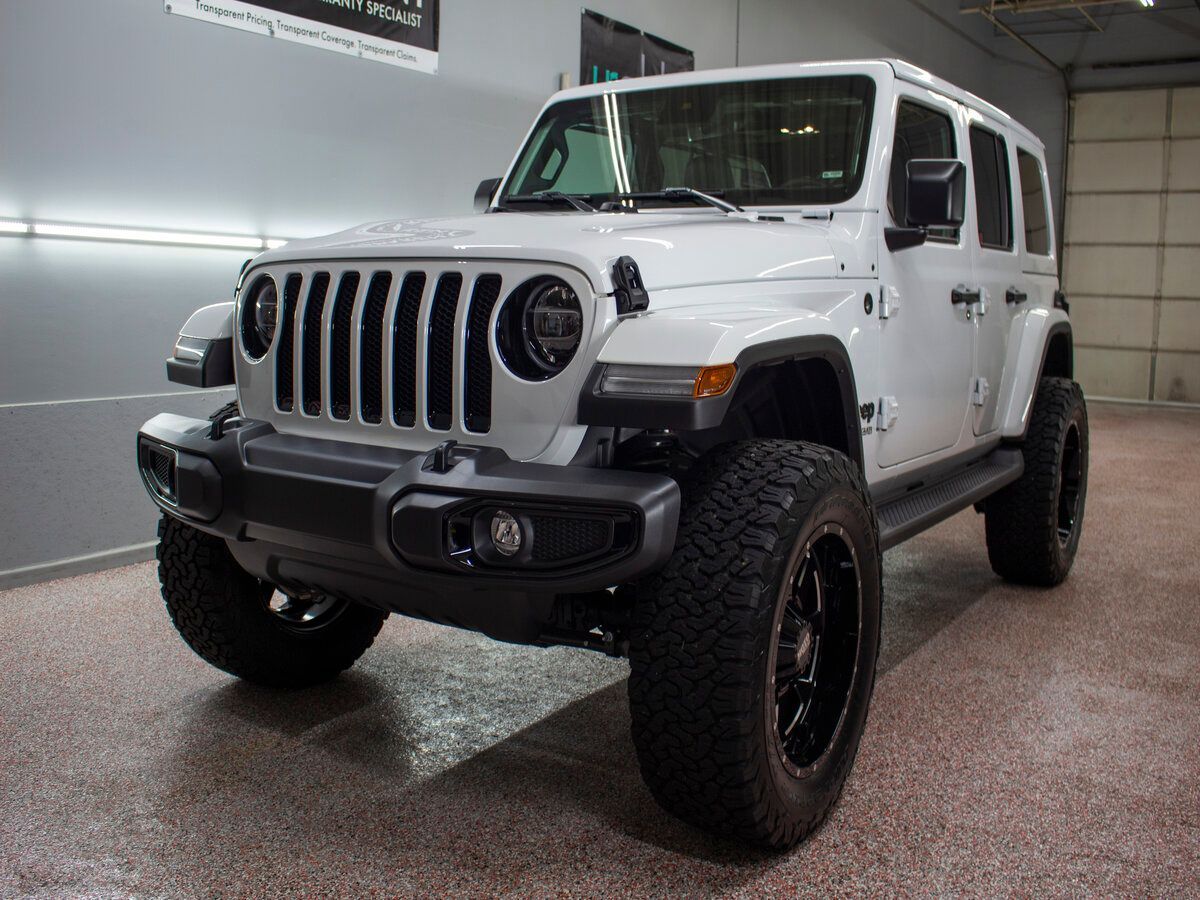
5. PPF Packages
At Precision Auto Protective Films - Window Tint - Ceramic Coatings, MI, every PPF package includes self-healing protection tailored to driver needs.
1. Partial Front Protection Package (turnaround ~1 day)
Precision Auto Protective Films - Window Tint - Ceramic Coatings Partial Front Protection Package is designed for drivers who want strong front-end protection without going full coverage. It includes paint protection film on the front bumper, partial hood, headlights, mirrors, and partial front fenders, targeting the areas most likely to take hits from road debris, salt grit, and everyday wear. This package is backed by an effective 10-year warranty with proper maintenance.
2. Full Front Protection Package (turnaround ~2 days)
The Full Front Protection Package steps up coverage for drivers who spend more time on the highway or want cleaner, more consistent protection across the front of the vehicle. It includes PPF on the bumper, full hood, headlights, mirrors, and full front fenders, helping reduce the visibility and frequency of rock chips and surface damage that typically show up first on the hood and fender edges. This package also comes with an effective 10-year warranty with proper maintenance.
3. Highway Protection Package (turnaround ~3 days)
Precision Auto Protective Films - Window Tint - Ceramic Coatings Highway Protection Package is built for higher-mileage drivers and Michigan conditions where road spray and debris don’t just hit the front end. In addition to full front coverage, it adds rocker panels, A-pillars, and a strip on the roof, areas that commonly collect grime, salt residue, and impact marks from tire kick-up and highway debris. It includes an effective 10-year warranty with proper maintenance.
4. Full Body Protection Package (turnaround ~5–7 days) plus matte or gloss options
For maximum protection and the most consistent like-new finish, the Full Body Protection Package expands coverage well beyond the front of the vehicle. Precision Auto Protective Films - Window Tint - Ceramic Coatings lists added coverage for rear bumper, trunk, headlights, fog lights, full rear fenders, all doors, and roof, making it ideal for long-term ownership, high-end vehicles, and drivers who want the highest level of preservation across the entire exterior. This package is available in matte or gloss film and includes an effective 10-year warranty with proper maintenance.
Conclusion
Self-healing PPF is more than a trend, it’s a strategic investment in your car’s longevity and appearance, especially in Michigan’s demanding driving conditions. From everyday swirl marks to rock chips and environmental damage, modern self-healing films actively protect and preserve your paint. When paired with services like ceramic coatings or ceramic window tint, this protection suite at Precision Auto Protective Films - Window Tint - Ceramic Coatings offers one of the strongest defenses against wear and tear while enhancing daily comfort and resale value.
Ready to protect what moves you? Contact Precision Auto Protective Films - Window Tint - Ceramic Coatings for a
free estimate.