5 Factors That Affect Paint Protection Film Cost: A Complete Guide
GET A FREE ESTIMATE CALL (248) 550-4363Paint damage is one of the biggest concerns for car owners today. From rock chips on highways to marks from daily use, your vehicle’s exterior takes constant abuse. Many drivers invest in protective solutions, but they often feel confused when they see how much paint protection film cost can vary between vehicles, shops, and packages. This guide solves that problem. It explains exactly what affects paint protection film cost, so you can make a smart decision. Instead of guessing or overpaying, you will understand what you are paying for and why it matters.
At
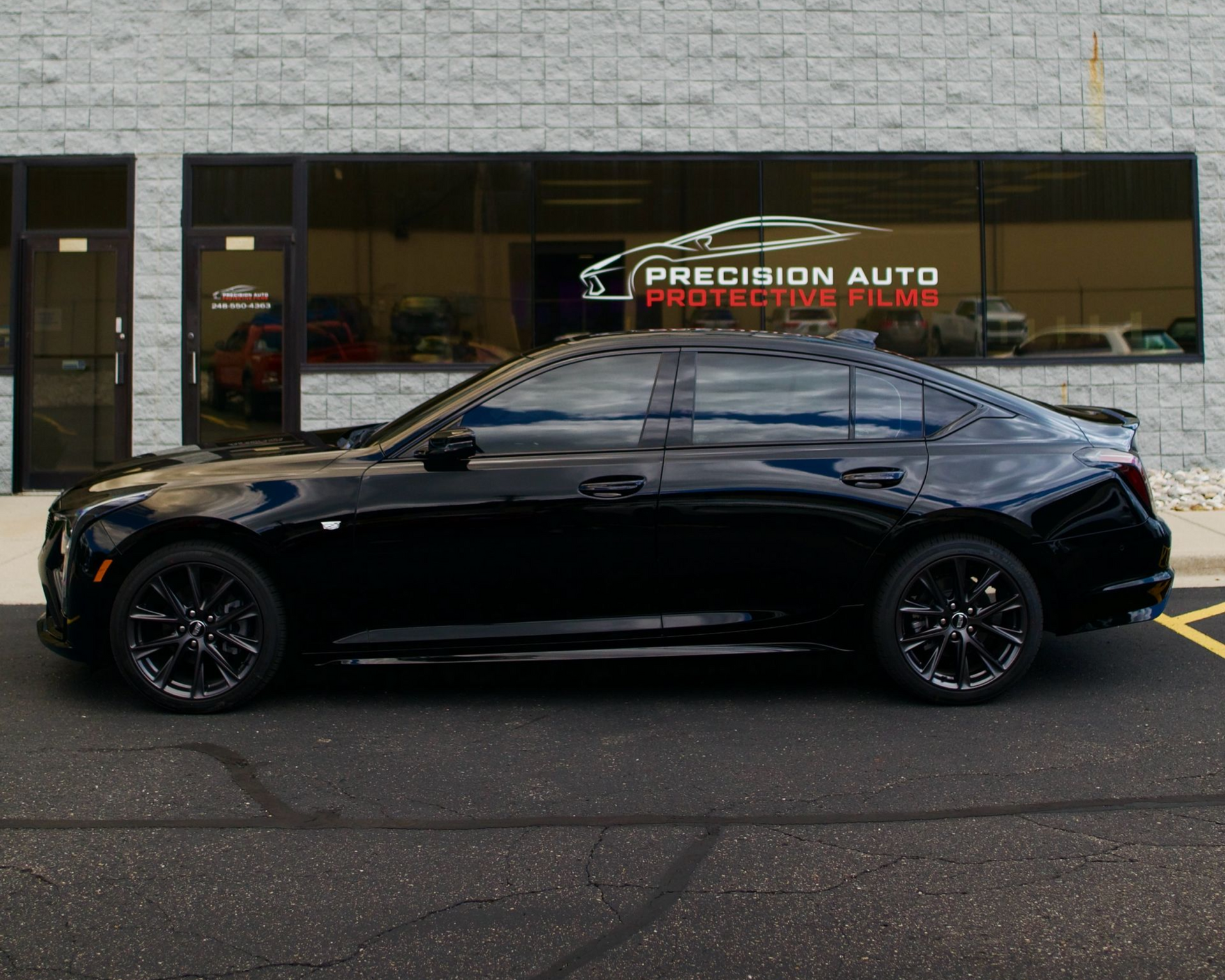
Precision Auto Protective Films – Window Tint – Ceramic Coatings in Novi, MI, we specialize in premium paint protection solutions. Our process focuses on precision, clean installation, and long-term durability. We don’t just install film—we engineer protection that looks invisible and performs at a high level for years.
1. The 5 Key Factors That Affect Paint Protection Film Cost
When car owners research paint protection film cost, they often notice large differences in pricing. This creates confusion. However, these differences are not random. They come from specific factors that directly impact both the price and the final result. Understanding these factors helps you make a better decision. You can compare packages confidently and avoid paying for the wrong level of protection.
Below are the five key elements that influence paint protection film cost.
1.1 Vehicle Size and Shape
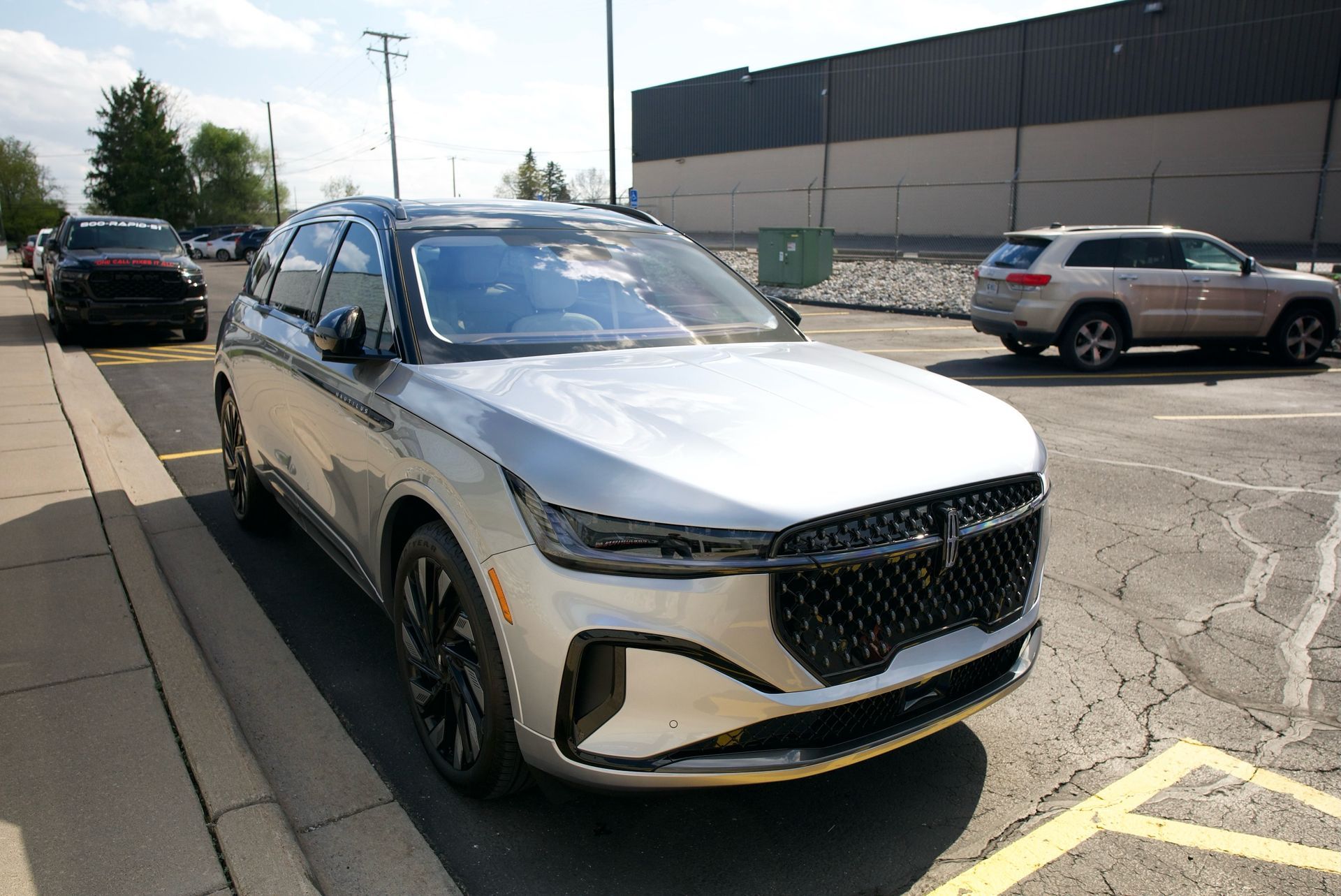
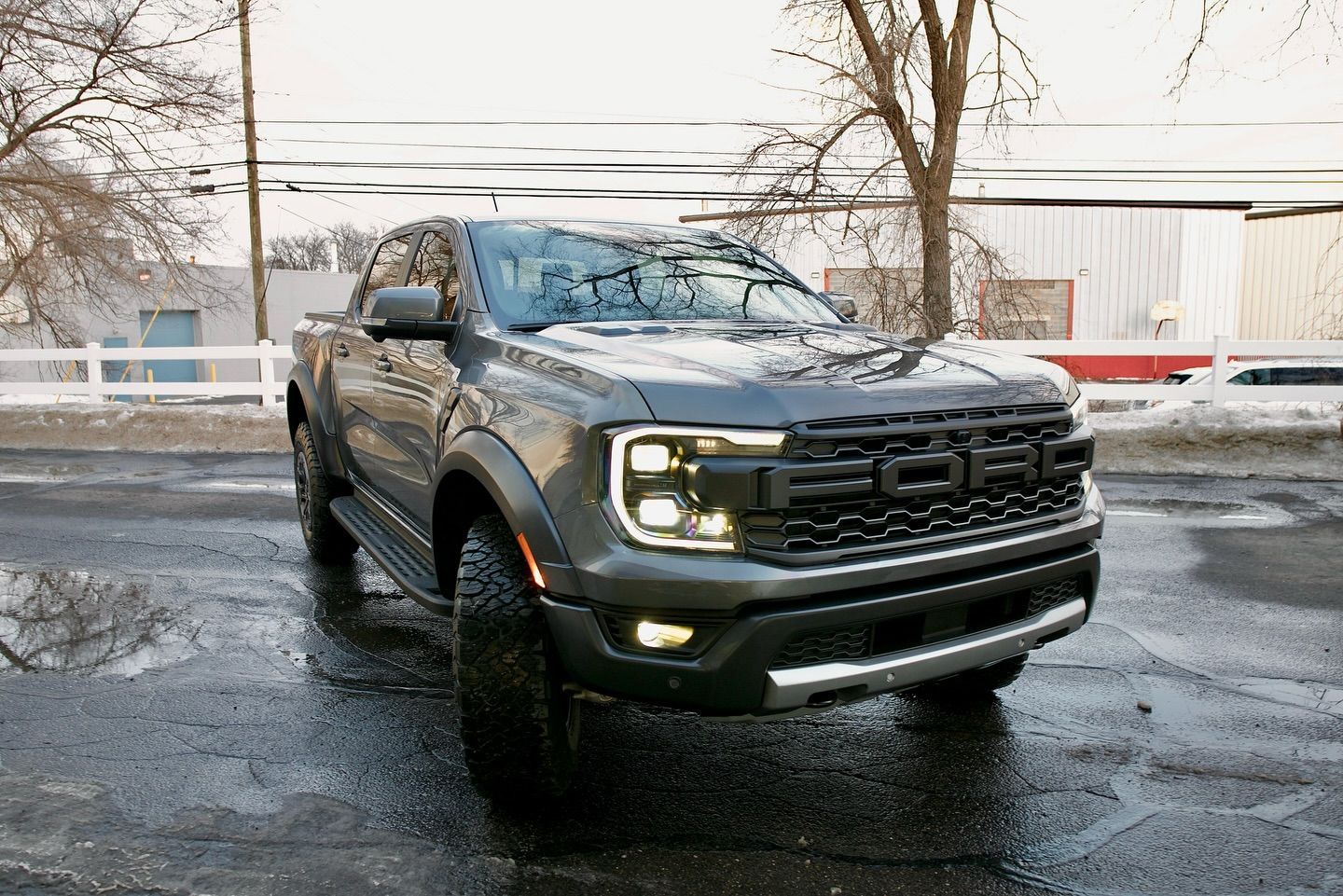
Vehicle size is one of the biggest contributors to paint protection film cost. Larger vehicles require more film and more time to install. SUVs and trucks typically cost more because they have more surface area. Installers need to cover larger panels like hoods, doors, and bumpers. This increases both material usage and labor time.
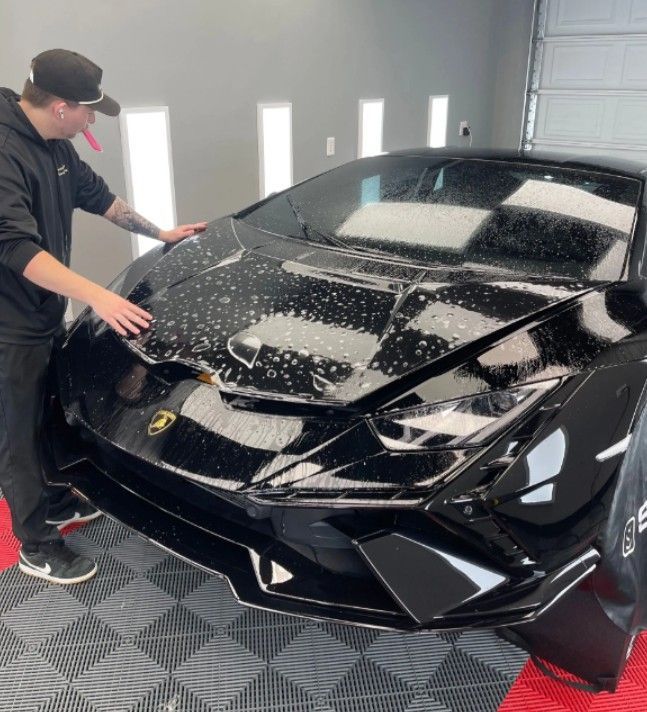
Vehicle design also matters. Cars with sharp body lines, deep curves, and aggressive styling take longer to wrap. Installers must carefully stretch and align the film to avoid imperfections. To achieve a precise finish, professional shops use digital plotting systems. These systems cut film specifically for your vehicle. This method improves fit, reduces errors, and avoids cutting directly on the paint.
Key impacts on cost include:
- Larger vehicles require more material
- Complex shapes increase installation time
- Precision plotting improves results but adds value
1.2 Coverage Area (Partial vs Full Protection)
Coverage level has a direct impact on paint protection film cost. The more areas you protect, the higher the investment. There are different levels of coverage. Partial front protection covers high-impact areas like the bumper and part of the hood. Full front protection extends coverage to the entire front end. Full body protection covers the entire vehicle. Each level increases both protection and cost. More coverage means more film and more labor. However, it also reduces long-term damage. Your driving habits should guide your decision. If you drive on highways often, you may benefit from more coverage. If your driving is limited, partial coverage may be enough.
Key impacts on cost include:
- More coverage increases material and labor
- Higher protection reduces long-term damage
- Package choice should match driving habits
1.3 Quality of Paint Protection Film Material
Film quality plays a major role in determining paint protection film cost. Not all films offer the same level of performance. Lower-quality films may fade, yellow, or peel over time. They often lack durability and clarity. Premium films, on the other hand, provide better protection and maintain their appearance longer. High-end brands like Llumar offer advanced features. These include strong impact resistance and long-lasting performance. Many premium films also include self-healing technology.
Self-healing film can repair minor marks when exposed to heat. This keeps the surface looking new for longer.
Key impacts on cost include:
- Premium films last longer and perform better
- Self-healing technology adds long-term value
- Cheap film may require early replacement
1.4 Surface Preparation and Paint Condition
Surface preparation is critical before installing PPF. It directly affects both the final result and the paint protection film cost. If the paint surface is not properly prepared, imperfections will show through the film. This includes swirl marks and contamination.
Professional preparation involves cleaning, decontamination, and sometimes paint correction. These steps ensure the surface is smooth and ready for installation. Skipping preparation may reduce upfront cost, but it often leads to poor results. The film may not adhere properly, and the finish may look uneven.
Key impacts on cost include:
- Proper prep improves adhesion and appearance
- Paint correction may add time and cost
- Skipping prep can lead to reinstallation
1.5 Installation Complexity and Shop Quality
Installation quality is one of the most important factors affecting paint protection film cost. A high-quality installation ensures long-lasting results. The installation environment matters. Dust and contamination can affect how the film adheres. Professional shops use controlled environments to prevent these issues. Installation methods also vary. Some shops cut film by hand directly on the vehicle. Others use digitally plotted patterns. Precision plotting reduces risk and improves consistency.
Experience also plays a key role. Skilled installers can handle complex shapes and deliver clean, invisible results.
Key impacts on cost include:
- Clean environments improve installation quality
- Precision plotting reduces risk to paint
- Experienced installers deliver better results
2. Differences Between Standard Shops and Specialized PPF Studios
When comparing options, many car owners focus only on paint protection film cost. However, the type of shop you choose plays a major role in the final result. Not all installations are equal. The difference between a standard shop and a specialized PPF studio often explains why pricing varies so much.
Standard shops
Standard shops usually offer paint protection film as just one of many services. These businesses may handle window tint, detailing, and basic protection services in the same workspace. Because of this, the installation environment is not always controlled. Vehicles are often worked on in open areas where dust, debris, and contaminants can interfere with the film. This can affect adhesion and lead to visible imperfections like bubbles or edges lifting over time. In addition, some standard shops rely on hand-cut installations directly on the vehicle. While this method can work, it increases the risk of cutting too close to the paint and may result in inconsistent edges or alignment issues.
Specialized PPF Services
On the other hand, specialized PPF studios are built entirely around precision and protection. At a dedicated facility like Precision Auto Protective Films – Window Tint – Ceramic Coatings, every part of the process is designed to deliver a higher standard of results. Installation takes place in a sealed, dust-free PPF room that prevents contamination and ensures a clean surface for proper adhesion. This controlled environment is one of the key reasons why premium installations last longer and look better.
Specialized studios also use digitally plotted film patterns instead of cutting film directly on the vehicle. This approach allows for exact-fit applications tailored to each car’s make and model. It also eliminates the risk of blade contact with your paint. Edges are wrapped more cleanly, seams are minimized, and complex areas like badges and curves are handled with greater precision. In many cases, badges are removed and reinstalled over the film to create a seamless, factory-like finish.
Another important difference is the level of experience. Specialized PPF installers work with protective film every day. They understand how to handle complex body lines, stretch film properly, and ensure consistent results across all panels. This level of expertise directly impacts both the durability and appearance of the installation. While a specialized studio may reflect a higher
paint protection film cost, it delivers significantly more value. You are not just paying for film—you are investing in a controlled process, advanced tools, and expert craftsmanship that protects your vehicle without compromising its finish.
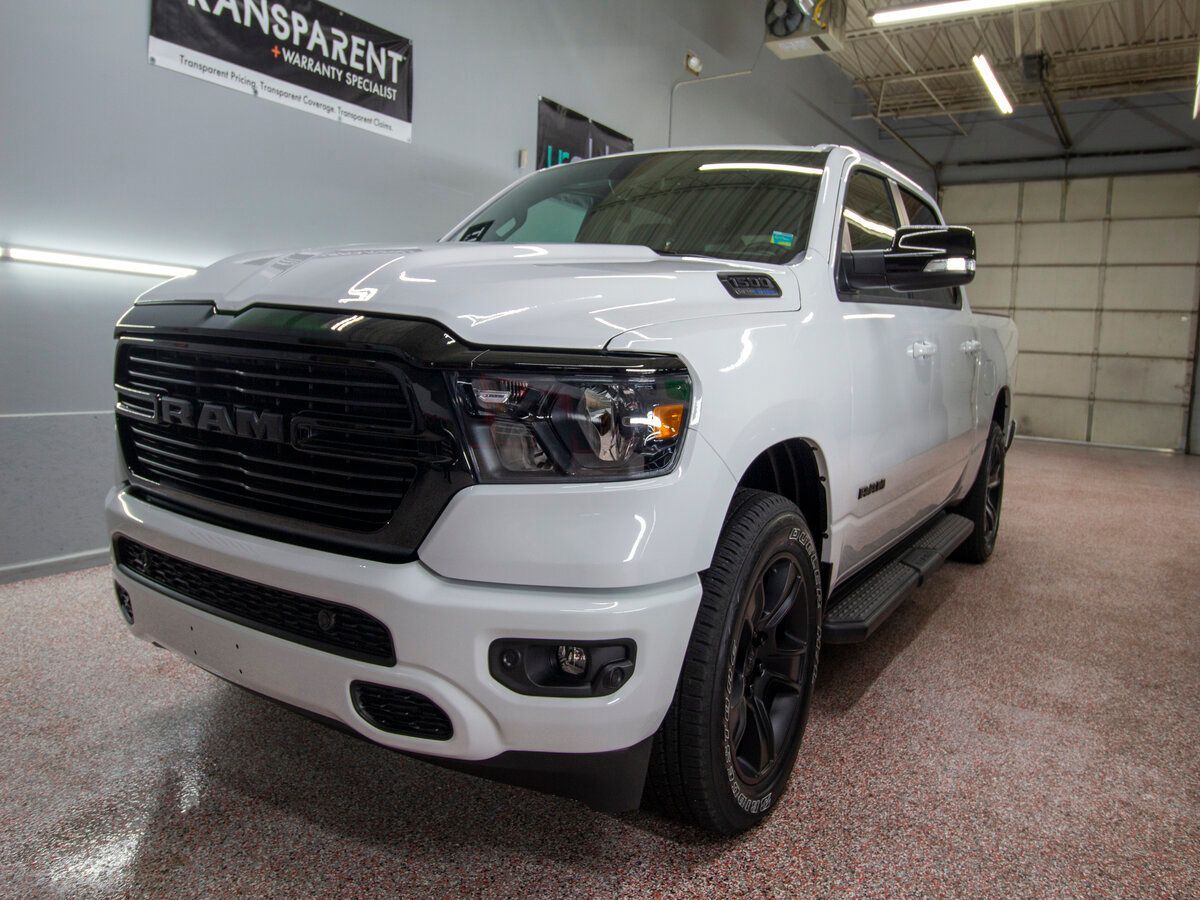
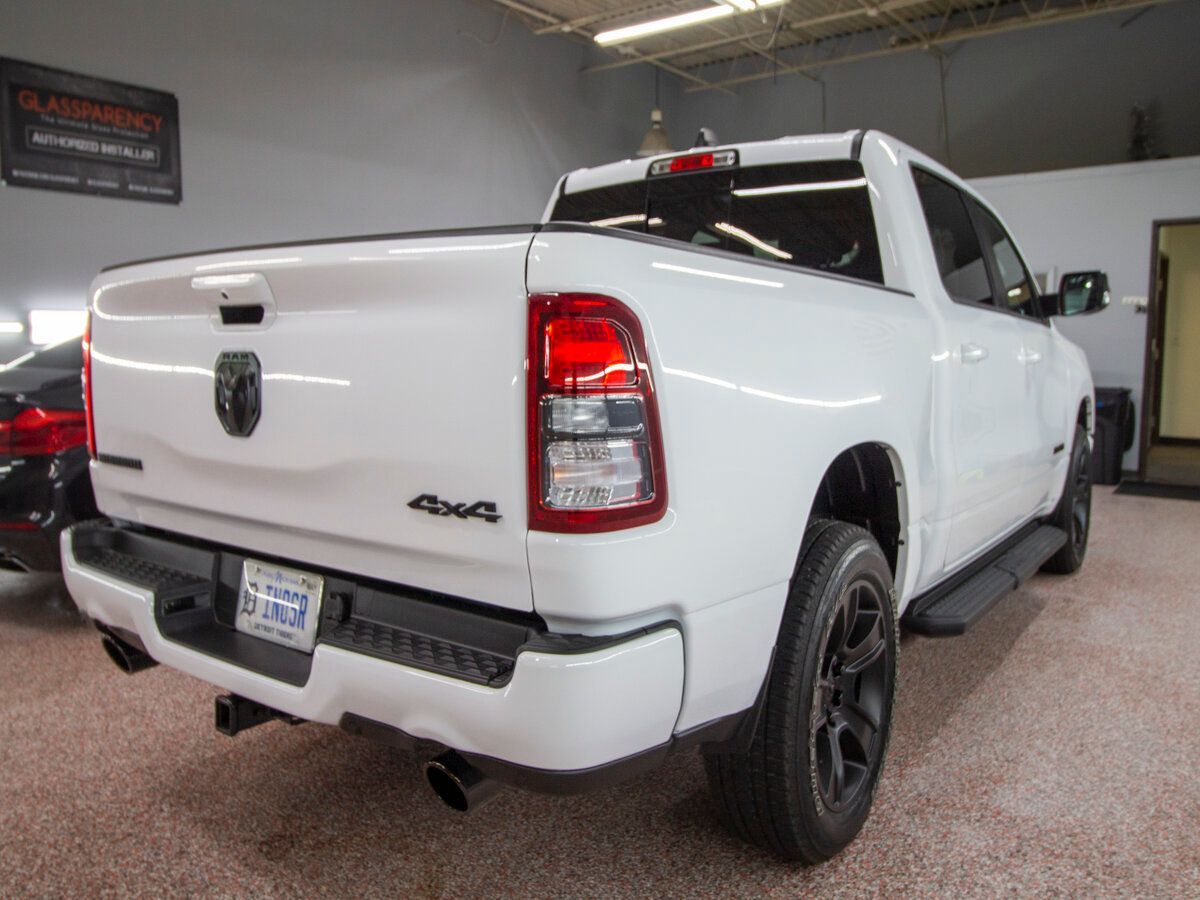
3. How PPF Protects Against Marks, Chips, and Environmental Damage
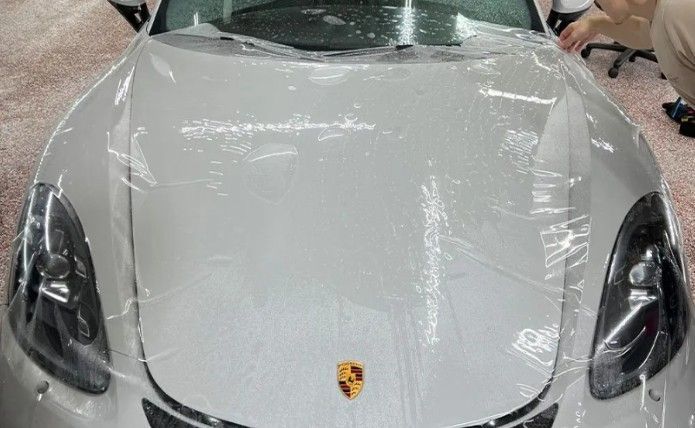
Paint protection film works as a durable, transparent layer that shields your vehicle from daily damage. It helps maintain your paint’s original condition despite constant exposure to road hazards, weather, and contaminants. Understanding this protection helps justify the paint protection film cost as a long-term investment rather than a short-term expense.
- Impact Resistance from Road Debris: Paint protection film absorbs the force from small rocks, gravel, and debris that hit your vehicle while driving. Instead of the paint chipping, the film takes the impact and prevents permanent damage, especially on high-impact areas like the front bumper and hood.
- Swirl Mark Protection: Everyday actions like washing, drying, or brushing against the vehicle can cause fine marks. PPF creates a protective barrier that reduces these marks from reaching the paint, keeping your vehicle looking smoother and newer for longer.
- Self-Healing Surface Technology: High-quality PPF includes self-healing properties that allow swirl marks to disappear when exposed to heat from the sun or warm water. This helps maintain a clean and polished look without constant correction.
- UV Protection and Fade Prevention: Continuous sun exposure can fade and dull your car’s paint over time. PPF blocks harmful UV rays, preserving the original color and preventing oxidation, which helps maintain both appearance and resale value.
- Resistance to Chemicals and Contaminants: Substances like bird droppings, bug splatter, tree sap, and road salt can stain or etch into paint if left untreated. PPF acts as a barrier, preventing these contaminants from directly damaging the surface and making cleaning much easier.
Paint protection film provides a complete defense system for your vehicle, reducing damage and maintenance over time. If you want reliable protection and lasting results, contact Precision Auto today and protect your investment the right way.
4. Why Precision Auto Protective Films - Window Tint - Ceramic Coatings Leads to Better Adhesion and Longevity
At Precision Auto Protective Films - Window Tint - Ceramic Coatings in Novi, MI, the installation process is designed to deliver superior results from the start. Unlike general shops, every vehicle is installed in a dedicated, dust-free PPF room. This controlled environment prevents contamination during installation, which is critical for proper film adhesion. Even small dust particles can affect how the film bonds to the surface, leading to lifting or imperfections over time. By eliminating these risks, the film adheres more securely and maintains a clean, flawless appearance. In addition, the team follows a structured preparation process that includes deep cleaning and surface correction when needed, ensuring the film is applied to a perfectly smooth surface.
Another key factor is the use of digitally plotted film patterns and advanced installation techniques. Precision Auto uses a large-format plotter to create exact-fit designs for each vehicle, which means there is no need to cut film directly on the paint. This not only protects the vehicle but also allows for precise edge wrapping and seamless alignment around complex areas like curves and badges. Combined with premium Llumar paint protection film, which offers self-healing and hydrophobic properties, the result is a long-lasting, invisible finish. This level of precision and care directly impacts both durability and performance, making the investment in higher paint protection film cost worthwhile for drivers who want reliable, long-term protection.
Conclusion
Choosing the right protection for your vehicle starts with understanding what drives paint protection film cost. Many car owners focus only on price, but real value comes from the combination of quality, coverage, and installation expertise. When these elements are done right, PPF becomes a long-term investment that protects your vehicle’s appearance and resale value. Each factor discussed—vehicle size, coverage area, film quality, surface preparation, and installation process—plays a critical role in the final outcome. A lower upfront cost may seem appealing, but it often leads to compromised results, reduced durability, and higher expenses later. On the other hand, investing in premium materials and professional installation ensures better adhesion, cleaner finish, and long-lasting protection.
Paint protection film is not just about preventing damage. It is about maintaining the condition, value, and visual appeal of your vehicle over time. With advanced features like self-healing technology and resistance to environmental contaminants, PPF provides a level of protection that traditional methods cannot match. If you want reliable results and a finish that truly looks factory-installed, working with a specialized studio like Precision Auto Protective Films – Window Tint – Ceramic Coatings makes a difference. Their controlled environment, precision techniques, and premium products ensure your investment performs at its best.
Ready to protect your vehicle the right way? Contact Precision Auto today and get expert guidance on the best paint protection film solution for your needs.